




Introduction to Juicy Steaks
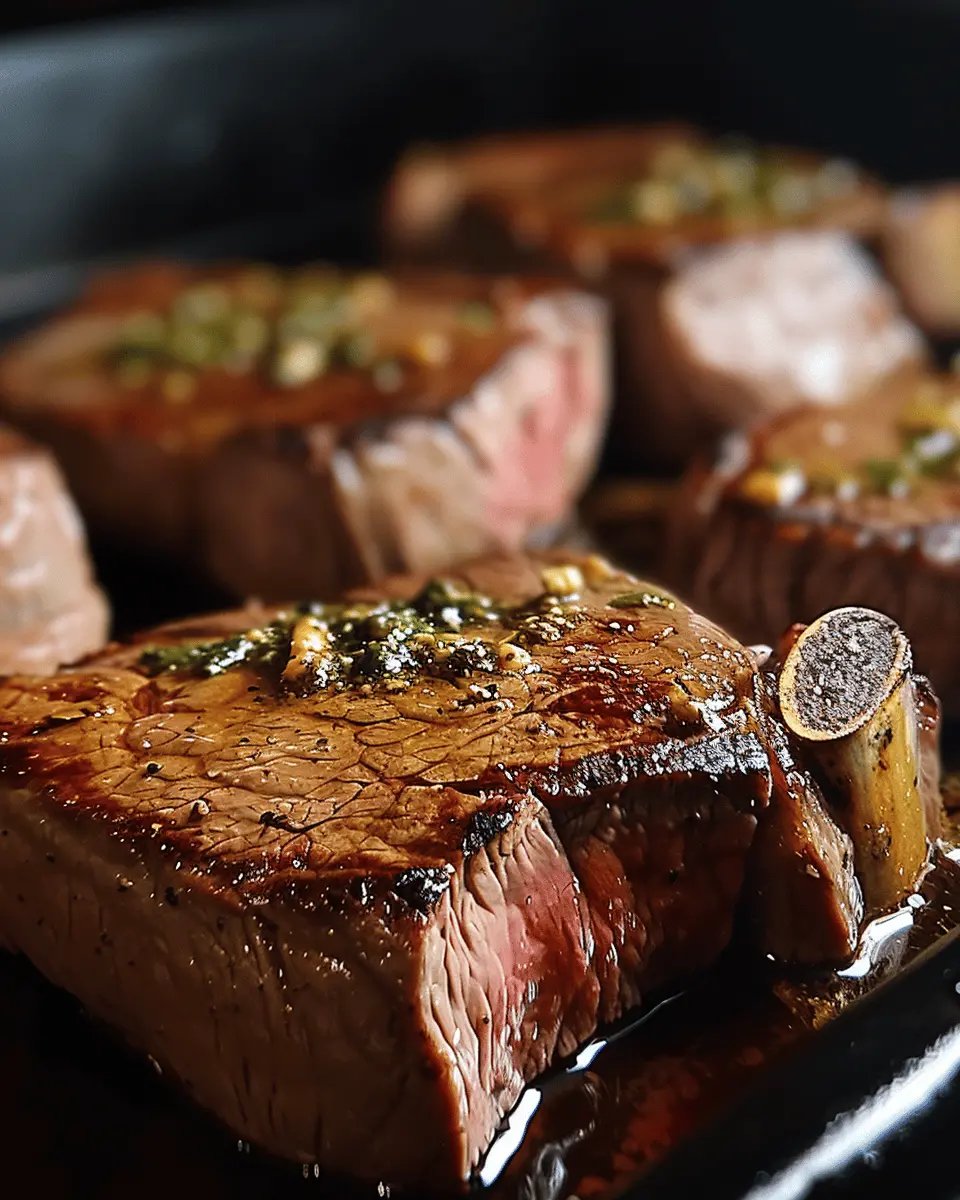
When it comes to elevating your homemade meals, juicy steaks are a true game-changer. Imagine sinking your teeth into a perfectly seared, tender piece of meat that drips with flavor. It’s not just a meal; it’s an experience! Cooking steak at home might seem daunting, but once you master the basics, you’re on your way to impressing your friends and family with minimal effort.
A Delightful Flavor Profile
What makes juicy steaks so irresistible? It’s all about the flavor! Choosing the right cut—like ribeye or tenderloin—can turn an average dinner into a gourmet feast. According to the American Beef Council, the rich taste and high-fat content in certain cuts make them exceptionally enjoyable. Whether you prefer your steak grilled, pan-seared, or broiled, the sear creates a texture that locks in the juices.
Health Benefits of Beef
Aside from being delicious, steak can also have nutritional perks. A 3-ounce serving of cooked beef packs quite a punch, providing essential nutrients like iron, zinc, and B vitamins. These elements are crucial for energy production and overall health, especially for active young professionals. Furthermore, juicy steaks can be a fantastic source of protein, which is essential for muscle repair and growth.
Making Steak a Staple
You might be wondering, “How can I incorporate juicy steaks into my regular meal rotation?” It’s simpler than you think! Meal prepping with steak can save you time and ensure you enjoy a satisfying dinner throughout the week. Think steak salads, steak sandwiches, or stir-fries. The versatility of beef allows it to harmonize beautifully with a variety of sides—from roasted vegetables to hearty grains.
Conclusion
In short, juicy steaks offer a delicious and nutrition-packed option for any meal. Drawing on simple techniques and quality ingredients, you can create dishes that leave a lasting impression. Ready to embark on this beefy adventure? Check out our full recipe to learn how to master the art of steak cooking! For more inspiration, visit The Ultimate Guide to Cooking Steak for expert tips and tricks.
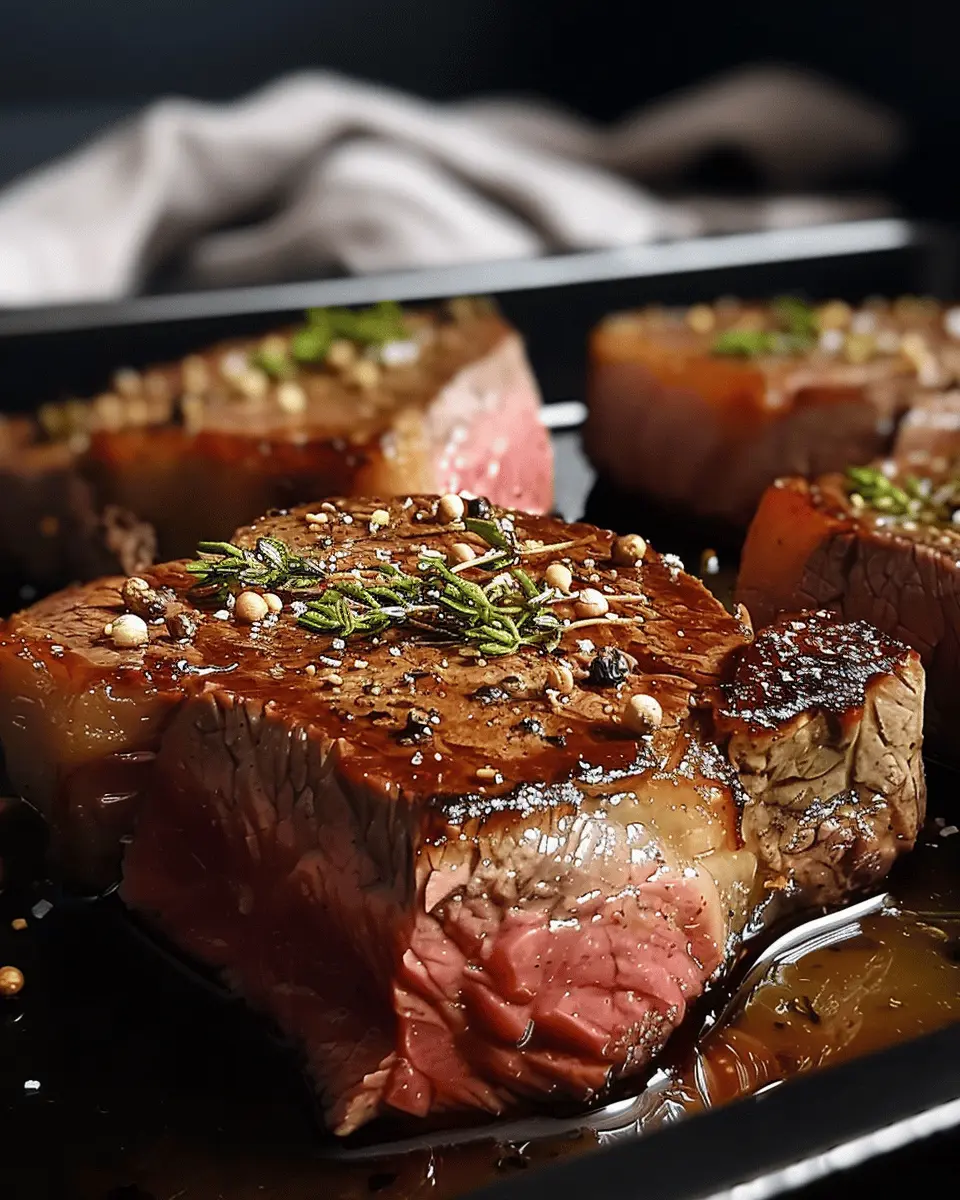
Ingredients for Juicy Steaks
Essential Ingredients for Cooking Juicy Steaks
When it comes to cooking juicy steaks, it’s all about quality and attention to detail. Start with:
- Quality cuts of beef: Look for fresh, well-marbled beef for optimal flavor and tenderness.
- Kosher salt: This is your secret weapon! It enhances flavor and creates a delightful crust.
- Ground black pepper: Freshly ground provides a rich, aromatic boost.
- High-smoke-point oil: Use oils like avocado or canola for that perfect sear without smoking out the kitchen.
- Butter: A pat of unsalted butter adds richness and flavor in the final moments of cooking.
- Garlic and fresh herbs: Thyme, rosemary, or even a touch of garlic can elevate the taste!
These key ingredients set a solid foundation for your steaks, ensuring each bite is flavorful and juicy.
Recommended Cuts of Steak
Choosing the right cut can make all the difference in achieving those juicy steaks you crave. Here are some top recommendations:
- Ribeye: Known for its rich marbling, which leads to tenderness and juiciness.
- Sirloin: A more affordable option, yet still juicy and flavorful.
- T-bone or Porterhouse: These cuts feature both tenderloin and strip steak for a variety of textures.
- Filet Mignon: Tender and lean, perfect for those looking for a melt-in-the-mouth experience.
Finding the right steak can be an enjoyable journey! Make sure to check out your local butcher or high-quality meat markets nearby for the best selections. For expert tips on choosing cuts, consider referring to sources like Serious Eats.
By focusing on these essential ingredients and recommended cuts, you’re well on your way to mastering the art of cooking juicy steaks at home!
Preparing Juicy Steaks
When it comes to crafting juicy steaks, the details can make all the difference. Whether you’re cooking for friends or treating yourself to a fine dinner, following these essential steps will ensure that each bite is deliciously satisfying. Let’s dive into how to prepare that perfect steak.
Choosing the Right Steak
It all starts with picking a great cut of meat. Not all steaks are created equal, so you want to select wisely. Here are a few popular options:
- Ribeye: Known for its rich marbling and fatty flavor, this cut is incredibly buttery and juicy.
- New York Strip: A balance of tenderness and flavor, this cut has a firmer bite and can be a bit leaner than ribeye.
- Filet Mignon: This cut is exceptionally tender but less fatty. It’s perfect for those who enjoy a buttery texture.
When shopping, look for steaks with a good amount of marbling; this intramuscular fat will melt during cooking, ensuring your juicy steaks remain moist and flavorful. You can find more detailed cut descriptions via Beef It’s What’s for Dinner.
Bring Your Steak to Room Temperature
Before you begin cooking, allow your steak to come to room temperature. This is a crucial step that ensures even cooking. Take your steaks out of the fridge about 30–60 minutes before cooking. An improperly chilled steak may cook unevenly, leading to a dry or overdone exterior while the interior remains raw.
Pat the Steak Dry
Once your steak has warmed up, take a few moments to pat it dry with paper towels. This might seem insignificant, but removing excess moisture is vital for achieving that delicious char. If you toss a watery steak onto a hot skillet, it’ll steam rather than sear, offering an unsatisfactory texture.
Season Generously
Now that you have your steak ready, it’s time for one of the most delightful steps: seasoning! A generous sprinkle of salt and freshly cracked black pepper is enough to elevate the natural flavors. For a twist, you might consider:
- Garlic powder or fresh minced garlic
- Fresh herbs like rosemary or thyme
- A light drizzle of olive oil for extra richness
Give it ample seasoning on both sides, and perhaps even a dose of your favorite steak rub for added flavor complexity. Remember, this is a hearty piece of meat that can handle a robust seasoning!
Preheat Your Skillet for Searing
The cooking vessel you choose can elevate your steak game tremendously. Cast iron skillets are fantastic for searing due to their heat retention properties. Preheat your skillet over medium-high heat for at least 5 minutes. You want it to be hot enough that the steak sizzles when it hits the pan.
To test if your skillet is ready, carefully flick a few drops of water onto the surface. If they sizzle and evaporate instantly, you’re all set! Adding a bit of oil with a high smoke point, like canola or grape seed oil, can further enhance that golden crust.
If you’re learning more about the science of searing, websites like Serious Eats provide excellent insights.
By following these key steps, you’ll be well on your way to creating mouthwatering juicy steaks that will impress anyone at your dinner table. Remember, patience is your ally—invest the time in each step, and you’ll be rewarded with a steak that’s tender, flavorful, and downright unforgettable. Happy cooking!
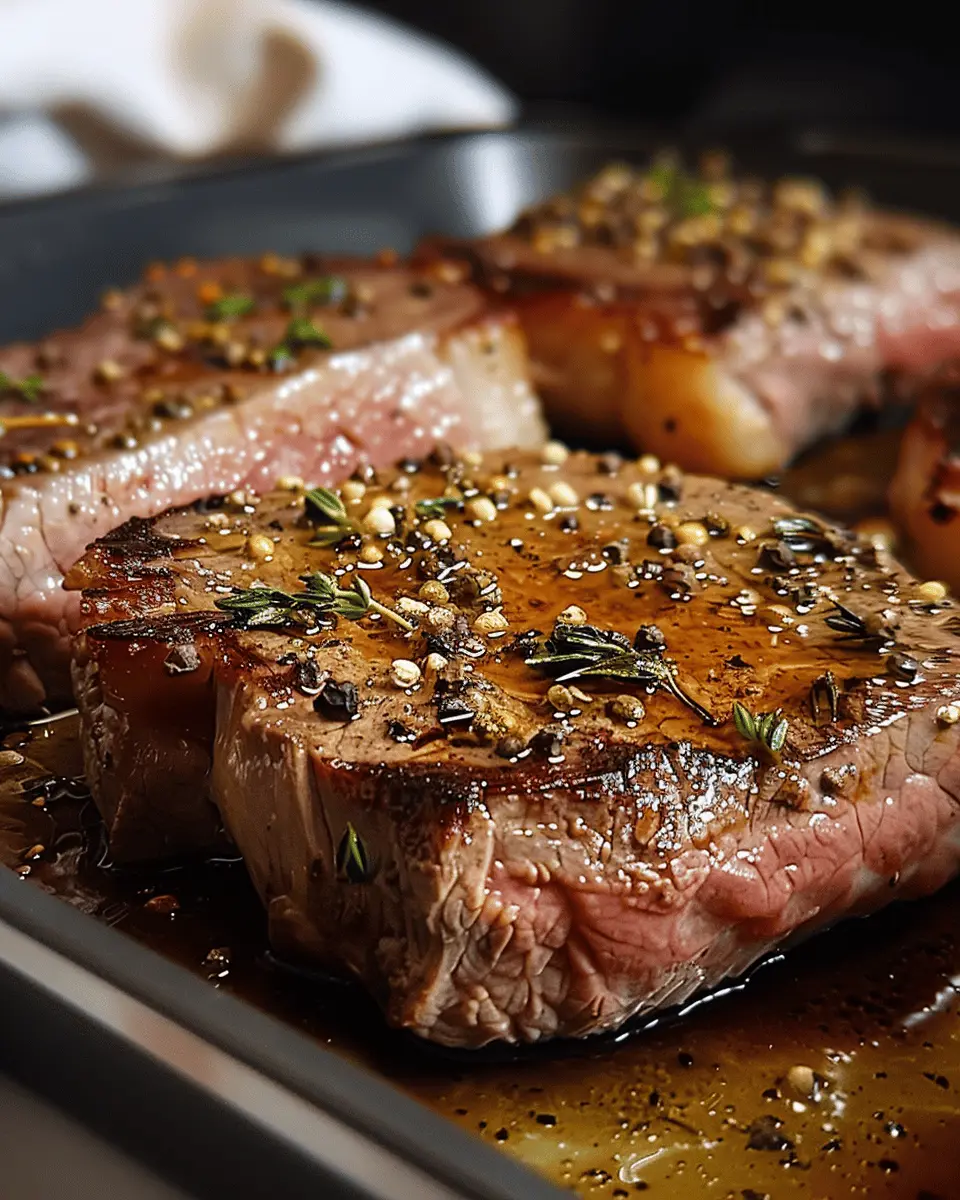
Searing and Cooking Juicy Steaks
Cooking the perfect juicy steaks at home is not only an achievable skill but also a delightful process that can elevate any meal. Whether you’re preparing for a cozy dinner or impressing friends during a weekend gathering, mastering the art of searing and finishing in the oven will leave your steaks tender, flavorful, and bursting with juices. Let’s dive into the steps!
Sear the steak on the stovetop
The first step in achieving those mouthwatering juicy steaks is to sear them on the stovetop. This initial cooking technique locks in moisture and creates that delicious crust we all love.
-
Start with the right cuts: Ribeye, sirloin, or filet mignon are excellent choices for searing.
-
Prep the steak: Ensure your steak is at room temperature by letting it sit out for about 30 minutes before cooking. This ensures more even cooking throughout.
-
Season well: Generously sprinkle salt and freshly ground black pepper on both sides. You can also add garlic powder or rosemary for an extra kick.
-
Heat your skillet: Use a heavy-duty skillet or cast iron pan for optimal heat retention. Preheat it over medium-high heat and add a splash of oil (e.g., canola or avocado) until shimmering.
Next, place the steak gently into the skillet, avoiding overcrowding, as this causes steaming instead of searing. Let it sit undisturbed for about 3-4 minutes. The key here is patience; flipping it too soon may ruin that coveted crust!
Transfer to the oven
Once your steak has a beautiful caramelized crust, it’s time to elevate it.
-
Preheat your oven: Before starting the stovetop sear, preheat your oven to 400°F (or around 200°C). This allows for a seamless transition and keeps the cooking time efficient.
-
Move the skillet to the oven: If your skillet is oven-safe, transfer it directly to the oven. If not, gently place the steak on a baking sheet lined with parchment paper.
This step not only cooks the steak consistently but also ensures the inside reaches the desired doneness without overcooking the outside.
Monitor the cooking process
As your steak bakes in the oven, it’s crucial to keep an eye on the time and temperature.
-
Know your preferred doneness: The USDA recommends these target temps:
-
Rare: 120°F
-
Medium rare: 130°F
-
Medium: 140°F
-
Medium well: 150°F
-
Well done: 160°F
-
Set a timer: Depending on the steak’s thickness, it typically takes between 4-10 minutes in the oven.
Flipping halfway through can help achieve even cooking. Remember, steaks will continue to cook slightly after being removed from the oven, so consider that when checking for doneness.
Use a meat thermometer for precision
For the most accurate results, investing in a meat thermometer is a game-changer, especially for those juicy steaks.
-
Insert the thermometer: Place it in the thickest part of the steak, avoiding any bone for the truest reading.
-
Aim for perfection: Once you achieve your target temperature, remove the steak from the oven.
This step may seem trivial, but it’s crucial for avoiding undercooked or overdone steaks. According to experts from the American Culinary Federation, precision leads to perfection in steak preparation.
After resting for about five minutes, slice into that glorious creation, and you’ll be rewarded with the flavors and juiciness you set out to achieve. There’s something incredibly satisfying about mastering such a skill in your own kitchen. So gather your ingredients, heat your skillet, and get ready to savor those juicy steaks!
Resting and Serving Juicy Steaks
Why Resting Steak is Crucial
Resting your steak is one of those simple steps that can make a world of difference in achieving juicy steaks. When you cook a steak, the proteins begin to tighten and the juices move towards the center of the meat. If you dive right in after cooking, you risk losing all those delicious juices onto your plate.
By allowing your steak to rest for about 5 to 10 minutes, you give those juices a chance to redistribute throughout the meat. This not only enhances the flavor but also results in a tender texture that’s truly irresistible. Imagine slicing into a perfectly rested steak, only to discover it oozing with flavor rather than drying out. Resting is a small investment of time that yields tremendous rewards!
Suggested Side Dishes for Juicy Steaks
Pairing your juicy steaks with the right side dishes can elevate your entire meal. Here are some fantastic options that complement steak beautifully:
- Garlic Mashed Potatoes: Creamy and garlicky, these potatoes balance the richness of the steak perfectly.
- Grilled Asparagus: The slight char from grilling adds a smoky flavor that pairs well with the meat.
- Caesar Salad: Crisp romaine, crunchy croutons, and a tangy dressing make for a refreshing contrast to your steak.
- Roasted Brussels Sprouts: These get caramelized in the oven and add a delightful crunch.
Whether you want a classic combo or something a bit unconventional, these sides will keep your meal exciting!
Creating a Quick Pan Sauce
A delicious pan sauce can tie your meal together flawlessly. Since you’ve already let your steak rest, use the flavorful bits left in the pan for a quick sauce. Here’s how to do it:
- Start by putting your pan back on medium heat. Add a splash of low-sodium chicken broth or vegetable broth to deglaze the pan, scraping up the browned bits with a wooden spoon.
- Add aromatics. Toss in some finely chopped garlic or shallots and cook until fragrant. For a touch of sweetness, you can also add a teaspoon of honey or Dijon mustard.
- Thicken if desired. You can whisk in a little cornstarch slurry or some cold unsalted butter at the end for a glossy finish.
- Season to taste. Finish the sauce with salt, pepper, and perhaps a squeeze of lemon juice to brighten it up.
This quick pan sauce is a game-changer, adding depth and richness to your juicy steaks. Trust me, your guests will be asking for seconds!
For more ideas on perfect sides and sauces, check out Serious Eats for some insights from culinary experts. Enjoy your cooking adventure!
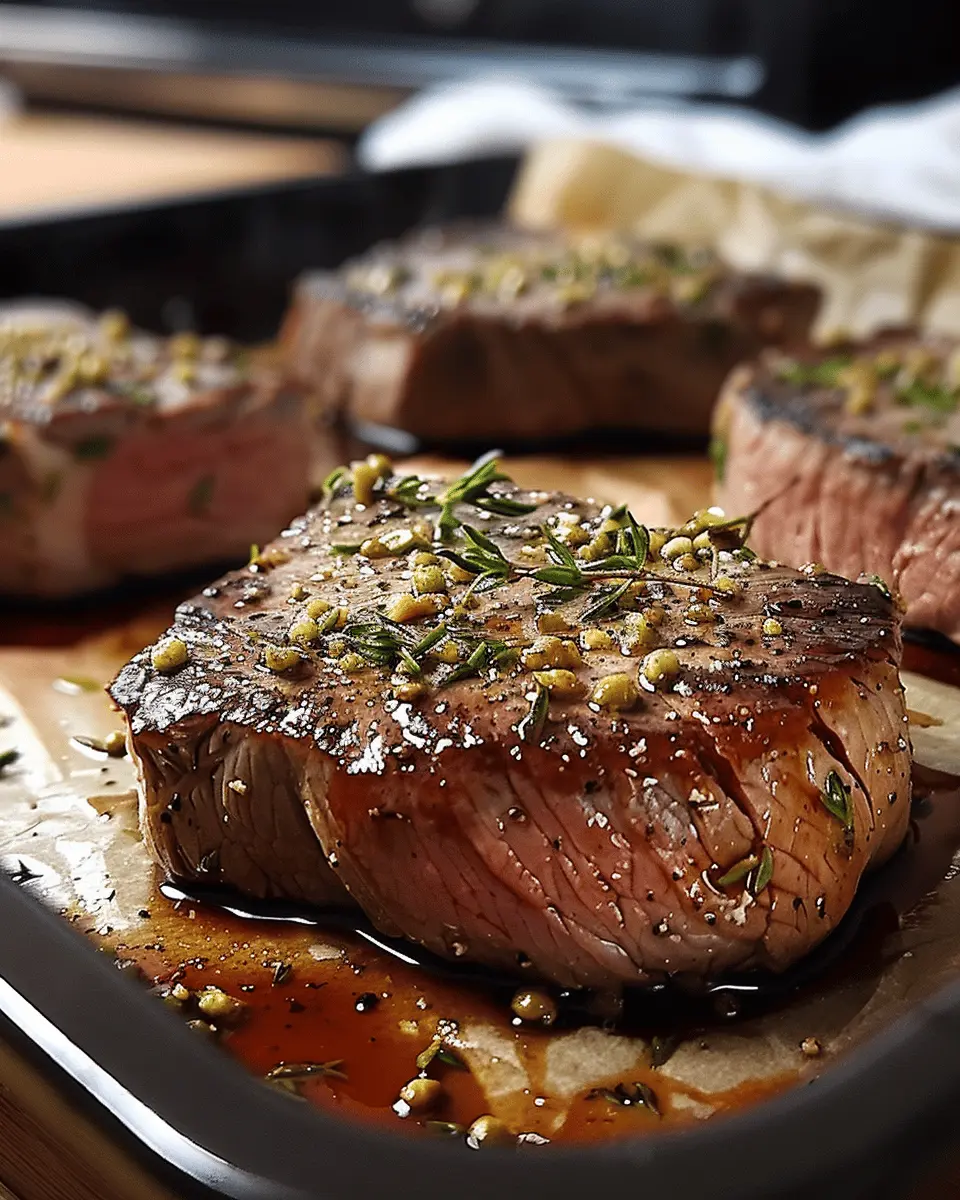
Flavor Variations for Juicy Steaks
When it comes to enhancing your juicy steaks, exploring different flavor profiles can elevate your dining experience. Here are three delightful variations that not only complement the tenderness of the meat but also add layers of flavor that will make your taste buds dance.
Garlic Herb Butter Steak
Imagine finishing your perfectly cooked steak with a dollop of rich, garlicky herb butter. To make this, combine softened butter with minced garlic, fresh parsley, thyme, and a pinch of salt. Simply melt the mixture on your hot steak right before serving. The warmth of the meat will allow the flavors to meld beautifully, creating a savory sauce that’s hard to resist! Consider using this easy-to-follow recipe at Food Network for a simple herb butter method.
Peppercorn-Crusted Steak
If you appreciate a little crunch with a spicy kick, a peppercorn-crusted steak is your go-to. The outer crust forms from cracked black peppercorns, giving the steak a flavorful bite. Simply coarsely grind the peppercorns and press them into the steak’s surface before cooking. This method not only adds texture but also enhances the natural flavors of the beef. Pair it with a creamy sauce, such as a peppercorn cream sauce, and you’ll have a dish worthy of any restaurant! For a recipe that walks you through the steps, check out Serious Eats.
Balsamic Glazed Steak
For a sweet and tangy twist, try a balsamic glaze on your juicy steaks. Start with a balsamic vinegar reduction that thickens as it simmers on the stove. Brush it on during the last few minutes of grilling for a delicious caramelized finish. This glaze not only contributes a depth of flavor but also pairs beautifully with grilled vegetables or a fresh salad. Want to dive deeper into balsamic reductions? Visit BBC Good Food for insights into making the perfect glaze.
Each of these variations offers a fantastic way to jazz up your juicy steaks, making any meal memorable. So why not try them all? Your taste buds will thank you!
Cooking Tips and Notes for Juicy Steaks
Common Mistakes to Avoid
Cooking juicy steaks can feel intimidating, but avoiding a few common pitfalls can elevate your culinary game. One major mistake is cooking straight from the fridge. Always let your steak come to room temperature for about 30 minutes before cooking. This ensures even cooking.
Another error is cutting into the steak too early. Resist the urge to slice it right off the grill! Letting it rest for at least 5-10 minutes allows the juices to redistribute, resulting in a more flavorful and succulent bite.
Tools That Make Cooking Easier
Equipping yourself with the right tools can turn your cooking experience from stressful to enjoyable. A good-quality cast-iron skillet or a heavy grill are excellent for creating juicy steaks. Consider investing in:
- Meat thermometer: This tool takes the guesswork out of doneness—perfect for achieving that medium-rare finish!
- Tongs: Avoid piercing the meat with a fork, as it lets those delicious juices escape.
- Steak seasoning: A blend of salt, pepper, and perhaps some garlic powder can make a world of difference.
Don’t forget to check out guides on grill techniques from resources like The Kitchn for extra tips. Enjoy the process—after all, what’s better than cooking a perfectly juicy steak for friends and family?
Time Breakdown for Juicy Steaks
Understanding the time it takes to create the perfect juicy steak is key to a successful meal. Here’s a quick guide to help you manage your schedule effectively.
Preparation time
Before you sear your juicy steaks, you’ll want to set aside about 15 minutes for preparation. This includes gathering your ingredients, seasoning your meat, and ensuring everything is ready to go. Remember, a well-prepped kitchen leads to a smoother cooking experience!
Cooking time
Once your steaks are ready, cooking generally takes around 10 to 15 minutes, depending on your desired doneness. If you’re aiming for a medium-rare juicy steak, a typical guideline is about 4-5 minutes per side on high heat.
Total time
In total, estimate about 30 minutes from start to finish. This includes both preparation and cooking. For further tips on achieving that perfect sear, check out resources like America’s Test Kitchen for expert insights on timing and techniques.
Perfectly timing your meal ensures a delightful dining experience. With this breakdown, you’ll be well-prepared to impress your friends or simply savor a dinner at home!
Nutritional Facts for Juicy Steaks
When savoring those juicy steaks, it’s key to know what you’re putting on your plate. Here’s a quick breakdown of the nutritional profile for an average serving:
Calories
A standard serving of a grilled juicy steak usually contains around 250-300 calories, depending on the cut and cooking method. This puts it in the realm of reasonably light protein sources, especially when compared to heavier dishes.
Protein
An excellent source of protein, juicy steaks pack about 25-30 grams per serving. This makes them a fantastic option for muscle repair and growth, especially important for active individuals.
Sodium
Keep in mind that while preparing juicy steaks, seasoning can bump up the sodium content. Typically, you might find around 50-100 mg of sodium without much added seasoning. If you’re mindful of your sodium intake, opt for herbs and spices instead of heavy salt.
Understanding these facts can elevate your dining experience and help you maintain a balanced diet. For more in-depth nutrition tips, check out the USDA nutrition database for a comprehensive look at various meats.
FAQ about Juicy Steaks
What’s the best steak cut for beginners?
If you’re new to cooking steak, starting with a ribeye or sirloin is a fantastic choice. These cuts offer a good balance of flavor and tenderness, making them easier to cook perfectly. Ribeye has more marbling, which gives it that mouthwatering juiciness, while sirloin is leaner yet still flavorful. For a full guide on cuts, check out resources from The Butcher Box.
How do I know when my steak is done?
To achieve juicy steaks, cooking them to the right doneness is key. You can use:
- Thermometer: Aim for about 130°F for medium-rare, 140°F for medium.
- Touch Test: Press the steak; it should feel like the fleshy part of your palm near the thumb for medium-rare.
Remember, steaks continue to cook as they rest, so give them a few minutes before slicing!
Can I use a regular skillet instead of cast iron?
Absolutely! While cast iron skillets retain heat well, a regular heavy-bottom skillet can work fine for juicy steaks too. Opt for one that heats evenly and can withstand high temperatures. Just make sure it’s preheated—this helps to sear and seal in those delicious juices.
What are the best sides to serve with steak?
When it comes to sides, aim for complementary flavors and textures. Here are some favorites:
- Garlic mashed potatoes or sweet potato fries for creaminess.
- Grilled veggies like asparagus or bell peppers bring freshness.
- A simple green salad with vinaigrette cuts through the richness.
Now you’re all set to whip up some delightful juicy steaks! If you want more tips or side recipes, don’t hesitate to explore our other cooking articles.
Conclusion on Juicy Steaks
Recap of why homemade juicy steaks are worth the effort
Creating juicy steaks at home is not just a culinary challenge—it’s a rewarding experience that elevates your dining game. The aromas that fill your kitchen, the sizzle of the steaks on your pan, and the satisfaction of a perfectly cooked meal are unmatched.
Homemade steaks also offer flexibility in seasoning and cooking methods, so you can tailor them to your taste preferences. Plus, serving up a beautifully seared steak impresses guests and family alike. If you need a little guidance, great resources are available, like Serious Eats for cooking tips or Food Network for recipe inspiration. In short, the investment in time and effort reaps delicious rewards!
PrintJuicy Steaks Made Irresistibly Tender with Simple Tips
Learn how to make juicy, tender steaks with these simple cooking tips.
- Prep Time: 10 minutes
- Cook Time: 8 minutes
- Total Time: 18 minutes
- Yield: 2 servings 1x
- Category: Main Dish
- Method: Grilling
- Cuisine: American
- Diet: Carnivore
Ingredients
- 2 steaks of your choice
- 1 tablespoon olive oil
- 1 teaspoon salt
- 1 teaspoon black pepper
- 2 cloves garlic, minced
- 1 tablespoon fresh rosemary, chopped
Instructions
- Remove steaks from the refrigerator and let them come to room temperature for about 30 minutes.
- Rub the steaks with olive oil, salt, black pepper, garlic, and rosemary.
- Heat a skillet or grill over high heat until very hot.
- Cook the steaks for 3-4 minutes on each side for medium-rare, adjusting time according to your preferred doneness.
- Let the steaks rest for at least 5 minutes before slicing.
Notes
- For extra flavor, marinate the steaks overnight.
- Use a meat thermometer to check for doneness.
Nutrition
- Serving Size: 1 steak
- Calories: 400
- Sugar: 0g
- Sodium: 700mg
- Fat: 30g
- Saturated Fat: 10g
- Unsaturated Fat: 15g
- Trans Fat: 0g
- Carbohydrates: 0g
- Fiber: 0g
- Protein: 40g
- Cholesterol: 100mg
Keywords: juicy steaks, tender steaks, cooking tips